Why Late September Brings More Back Pain to the Office
Every year around this time, Dr. Brett Chavez sees the same pattern walk through the door at Back 2 Health Chiropractic. Cotton harvest ramps up across the South Plains, module trucks are running longer hours, and a good number of patients spend their days lifting, loading, or climbing in and out of equipment. Add in yard work at home while the weather is still workable, and low back pain becomes the most common complaint of the season.
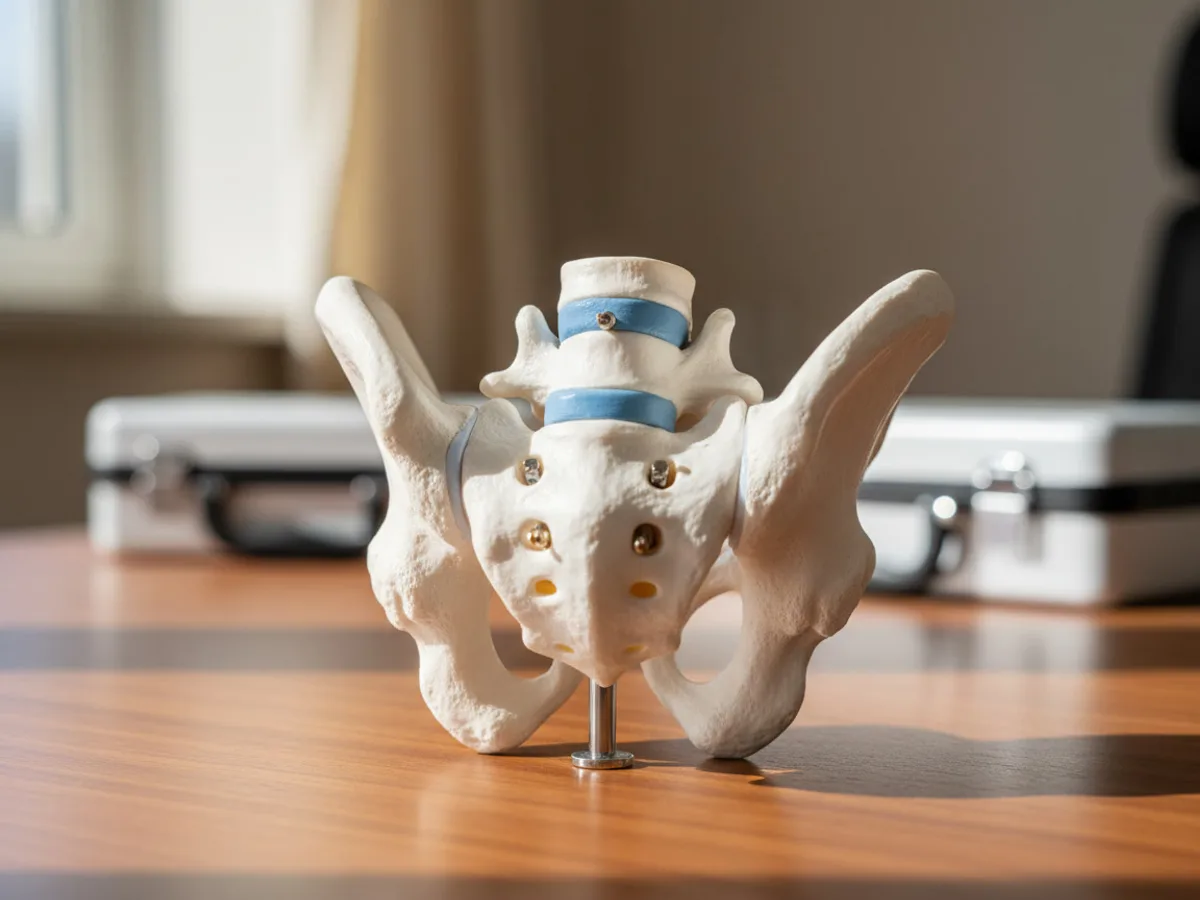
This isn’t unique to farm work. Warehouse staff, movers, and anyone doing repetitive bending and lifting sees the same pattern. The mechanism is simple: the low back (lumbar spine) is built to handle load when it moves correctly, but repeated forward bending under weight, especially with any twisting, puts uneven pressure on the discs and joints. Over days or weeks that adds up, even without one single “injury moment.”
What’s Actually Happening in the Spine
Most of this kind of back pain isn’t a dramatic injury. It’s cumulative strain on the joints of the lumbar spine (the low back) combined with muscle guarding, where the surrounding muscles tighten up to protect a joint that isn’t moving the way it should. That guarding is what makes people feel “locked up” or unable to stand up straight first thing in the morning.
Dr. Chavez evaluates each case individually, because the same complaint of “my back hurts” can come from a facet joint that’s not moving well, a disc under irritation, or a sacroiliac joint that’s taking on too much of the load. That’s why a proper exam, not just a quick look, matters before starting care.
What a Visit for Work-Related Back Pain Looks Like
A new patient coming in with this kind of pain can expect a history and a physical exam that checks range of motion, joint mobility, and which movements reproduce the pain. If imaging is warranted, Back 2 Health Chiropractic has X-ray capability on site rather than sending patients elsewhere and making them wait.
From there, care usually combines chiropractic adjustments to restore movement to joints that have become restricted, with supporting soft tissue work. Patients dealing with heavier physical labor often do well adding professional stretching or massage therapy alongside adjustments, since loosening the muscles around a joint helps the adjustment hold longer.
What Helps Between Visits
For anyone doing repetitive lifting through harvest season, a few habits make a real difference between appointments:
- Lift with the legs and keep the load close to the body instead of reaching and twisting at the same time
- Take short breaks to stand up straight and extend the low back if the job involves a lot of forward bending
- Stay hydrated through the heat, since dehydrated discs and muscles tolerate load worse
- Don’t ignore a stiff morning for weeks in a row assuming it will resolve on its own
None of that replaces a proper evaluation if the pain is sharp, radiates down a leg, or doesn’t ease up after a couple of days of rest. That pattern can point toward nerve involvement rather than simple muscle strain, and it’s worth having Dr. Chavez check it directly.
When to Get It Looked At
Occasional soreness after a long day of physical work is common and often resolves with basic self-care. What shouldn’t be brushed off is pain that’s getting worse week over week, pain that changes how someone walks or stands, or any pain that travels into the hip or leg. Chiropractic care works best started early, before a joint restriction turns into a longer-term pattern of compensation elsewhere in the spine.
Back 2 Health Chiropractic in Lubbock, TX sees a steady stream of these cases every fall. If harvest season, yard work, or any repetitive lifting has your low back feeling locked up, schedule a new patient visit and let Dr. Chavez find out what’s actually driving it.
References
- National Institute of Neurological Disorders and Stroke, “Low Back Pain Fact Sheet,” ninds.nih.gov
- Centers for Disease Control and Prevention, “Ergonomics and Musculoskeletal Disorders,” cdc.gov/niosh