What Dry Needling Actually Does
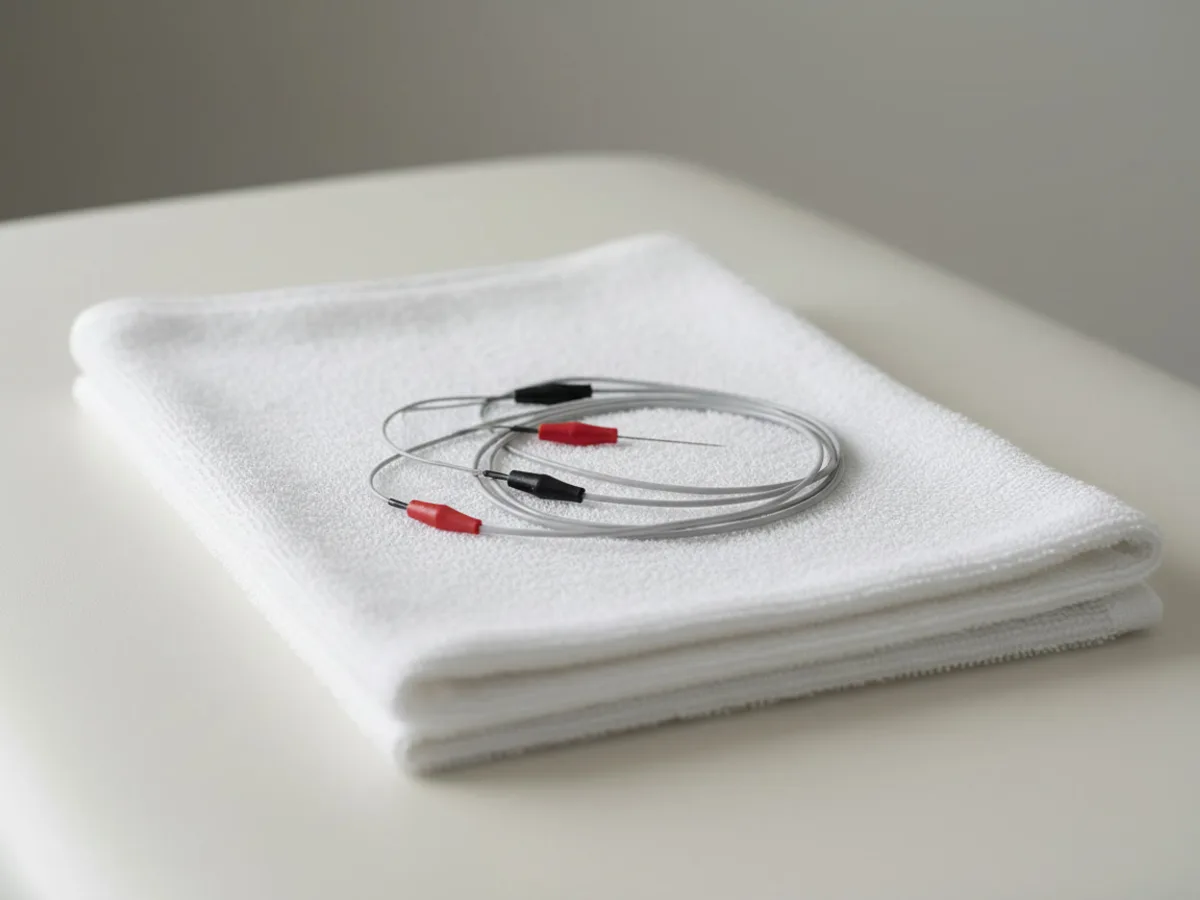
Dry needling is one of the more misunderstood treatments Dr. Brett Chavez offers at Back 2 Health Chiropractic, mostly because patients confuse it with acupuncture based on the tool alone. The technique uses thin, solid filament needles, but the approach and the goal are different. Dry needling targets a myofascial trigger point directly, a tight, irritable knot within a muscle that refers pain to another area and often doesn’t release with stretching or massage alone.
Inserting the needle into that trigger point can trigger a local twitch response, a brief involuntary contraction that signals the muscle fiber is releasing its held tension. That release is often what patients feel as immediate relief right after a session, though the full effect typically builds over the following day or two as inflammation from the treatment resolves.
Who It Tends to Help
Dr. Chavez uses dry needling most often for patients dealing with chronic muscle tightness that hasn’t responded fully to adjustments and stretching alone, recurring trigger points in the shoulders or upper back, and athletes managing tight muscle groups from repetitive training. It’s frequently paired with adjustments for shoulder and neck complaints, since releasing the trigger point makes the joint easier to move into correct alignment and helps the adjustment hold.
What a Session Feels Like
Patients often describe a brief cramping or twitch sensation as the needle reaches the trigger point, which resolves quickly. Mild soreness in the treated muscle for a day or two afterward is common and similar to how a muscle feels after an intense workout. That soreness is a normal part of the tissue responding to treatment, not a sign anything went wrong.
What to Do Between Sessions
Getting the full benefit of dry needling depends heavily on what happens after the needle comes out, not just the session itself:
- Drink more water than usual for the rest of the day, since hydration supports how the muscle clears the local inflammatory response
- Move the treated area gently rather than staying completely still, which helps prevent the muscle from tightening right back into the same pattern
- Apply heat if soreness sets in, which tends to be more comfortable than ice for this particular kind of post-treatment soreness
- Avoid maxing out the same muscle group in a workout for a day or two after treatment
- Stick with any stretches Dr. Chavez recommends specifically for the treated area, since consistency between sessions is what makes results stick
How It Fits Into a Broader Plan
Dry needling is rarely a standalone treatment in Dr. Chavez’s approach. It works best as one piece of a plan that also addresses the joint mechanics feeding the trigger point in the first place, whether that’s a restricted vertebra in the neck contributing to shoulder tension or a hip restriction feeding a tight piriformis. Treating the trigger point without addressing what’s creating the ongoing tension tends to mean the knot comes back.
Is It Right for You
Chronic muscle tightness that hasn’t resolved with stretching, massage, or adjustments alone is usually the clearest sign dry needling is worth discussing. Dr. Chavez evaluates each case during the exam to determine whether a trigger point is truly driving the pain pattern before recommending it.
If stubborn muscle tightness keeps interfering with your recovery, schedule a new patient visit at Back 2 Health Chiropractic in Lubbock, TX and ask Dr. Chavez whether dry needling belongs in your care plan.
References
- American Physical Therapy Association, “Dry Needling: What You Need to Know,” apta.org
- National Center for Complementary and Integrative Health, “Myofascial Pain and Trigger Points,” nccih.nih.gov