Two Techniques, Opposite Directions
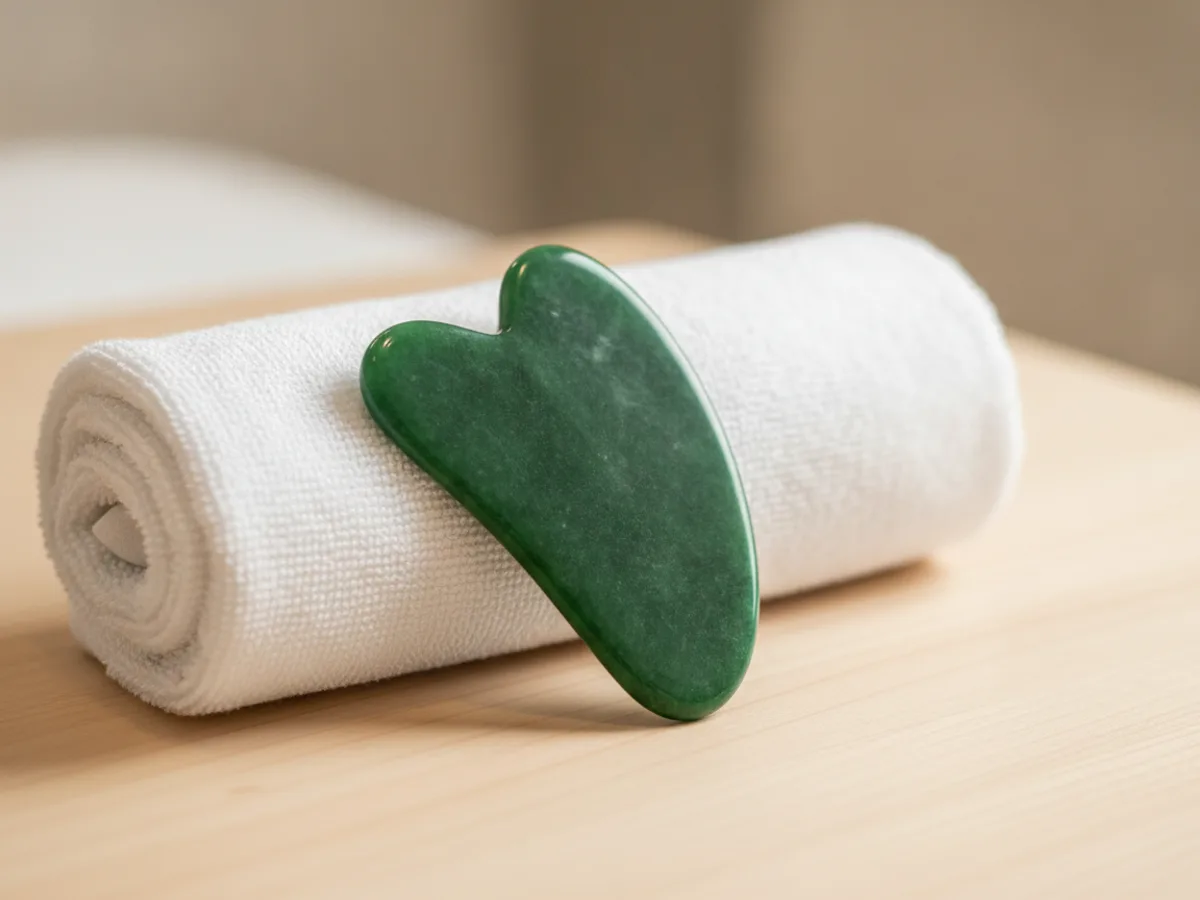
Gua sha and fire cupping approach soft tissue restriction from opposite directions, which is exactly why Dr. Brett Chavez, D.C. often uses them together at Back 2 Health Chiropractic. Gua sha applies pressure inward and across the tissue using a smooth-edged tool, breaking up adhesions and increasing blood flow through friction. Fire cupping does the reverse, using suction to lift the tissue upward and away from the underlying muscle and fascia, decompressing an area rather than compressing it.
What Gua Sha Actually Does
The technique involves scraping a smooth tool firmly along the muscle in a specific direction, typically along the length of the muscle fibers. This mechanical pressure helps break up areas of fascial adhesion, where layers of connective tissue have become stuck together and restrict normal movement between muscle layers. It also brings blood flow to the surface, which is why the technique often leaves temporary redness, a normal and expected response, not a bruise.
What Fire Cupping Adds
Fire cupping creates a vacuum inside a cup placed on the skin, which lifts the skin and underlying fascia upward. This decompression effect does something gua sha’s inward pressure can’t: it pulls apart layers of tissue that have become compressed together, increasing space and circulation in a way that’s mechanically distinct from scraping. Patients often describe cupping as addressing a deeper, more stubborn layer of tightness than surface work reaches.
Why the Combination Outperforms Either Alone
Chronic muscle tightness, especially the kind that’s been present for months or years, often involves both a surface-level fascial restriction and a deeper compression pattern. Using gua sha to address the surface restriction and cupping to decompress the deeper layer covers more of the actual problem in a single visit than relying on one technique to do both jobs.
Where This Combination Shows Up Most
Dr. Chavez uses this pairing most often for:
- Chronic upper back and shoulder tightness, especially in patients whose posture or work keeps the area under constant load
- IT band and outer thigh tightness in runners and athletes
- Low back tightness that’s resistant to massage alone
What to Expect During and After
Both techniques can leave temporary marks, redness from gua sha and circular discoloration from cupping, that typically fade within a few days to a week. These marks reflect increased blood flow to the area, not injury, and most patients find the sensation during treatment tolerable, often describing a distinct, satisfying release as the tissue responds.
Part of a Broader Plan
Gua sha and fire cupping work best as part of a plan that also addresses why the tissue became restricted in the first place, often a joint alignment issue that chiropractic care can address directly, so the tightness doesn’t simply rebuild the same way it formed originally.
If you’ve got a stubborn area of tightness that hasn’t responded to typical massage or stretching, schedule a visit at Back 2 Health Chiropractic in Lubbock to find out if this combination is the right fit.