What Gua Sha Actually Involves
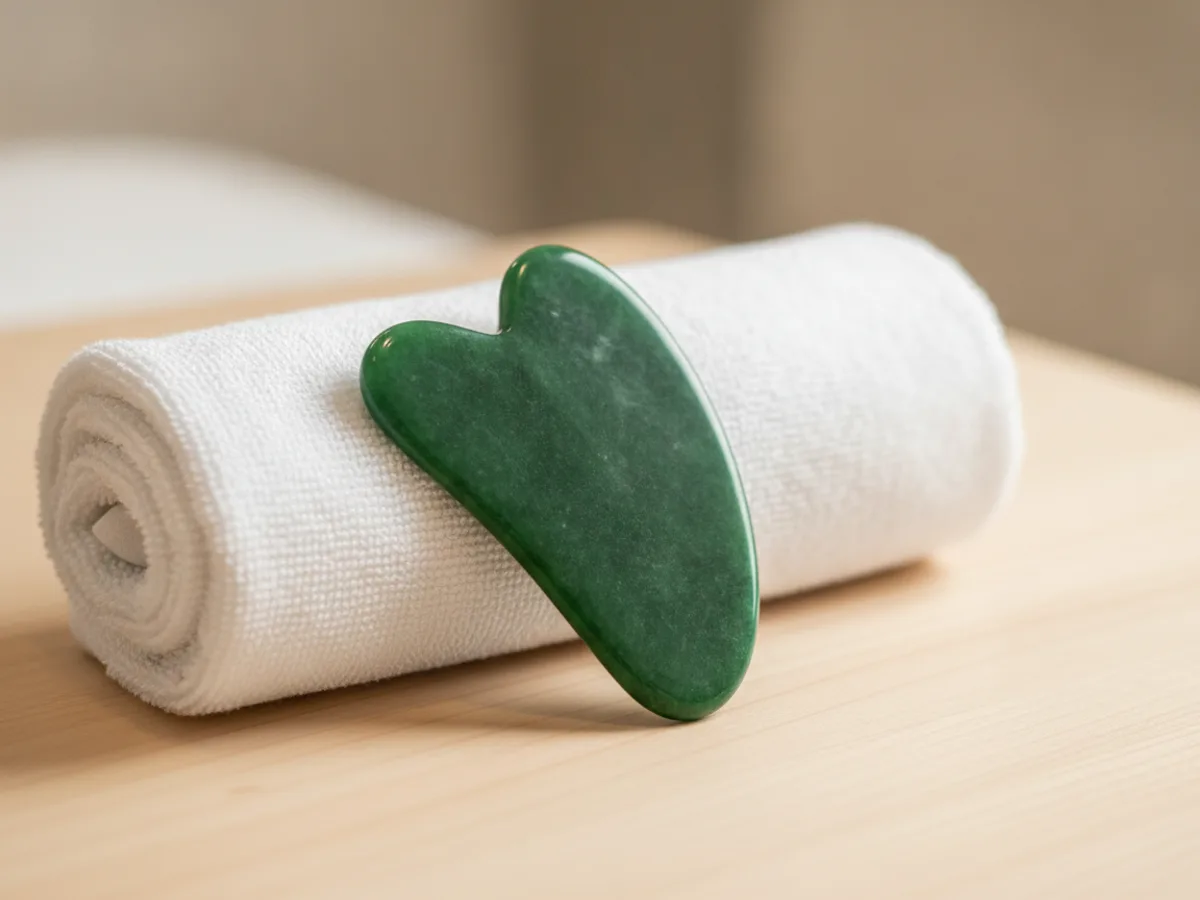
Gua sha is one of the soft tissue techniques Dr. Brett Chavez uses at Back 2 Health Chiropractic for patients dealing with stubborn muscle tightness and fascial restriction. The technique uses a smooth-edged tool, applied with firm, controlled strokes along the surface of the skin over a tight muscle group. Unlike a typical massage that primarily works the muscle itself, gua sha specifically targets the fascia, the connective tissue web that surrounds and separates muscle groups, which can become restricted and adhere to underlying tissue from repetitive use or old injury.
Why Fascia Matters as Much as Muscle
Fascia doesn’t get nearly the attention muscles do, but restricted fascia can be just as limiting to movement and just as significant a source of pain. When fascia becomes tight or adhered, it can restrict how well the muscle underneath it glides and contracts, which shows up as a feeling of stiffness that doesn’t fully resolve with stretching alone. The firm, directional pressure of gua sha is specifically designed to break up those restrictions and improve local circulation to the area.
Temporary Marks, Not Bruising in the Usual Sense
Like fire cupping, gua sha can leave temporary redness or marks on the skin, sometimes called “sha,” which reflects increased blood flow to tissue that was under tension. Dr. Chavez explains this to patients before treatment so it’s not a surprise, and the marks typically fade within several days. The intensity of the marking varies significantly based on how restricted the tissue was going in, not on how hard the technique was applied.
Who Tends to Benefit
Patients managing chronic tightness in the neck, shoulders, and upper back, often tied to desk work or repetitive activity, tend to respond well to gua sha. It’s also useful for athletes managing tightness in larger muscle groups and for patients whose muscle tension has become a limiting factor in how well their chiropractic adjustments hold. Dr. Chavez determines candidacy during the exam based on where and how restricted the tissue actually is.
How It Pairs With Chiropractic Adjustments
Like the other soft tissue tools used at the practice, gua sha works best as part of a broader plan rather than in isolation. Loosening restricted fascia and muscle tissue makes it easier for a joint to move into proper position during a chiropractic adjustment, and it helps that correction hold longer once achieved. Dr. Chavez often sequences gua sha or other soft tissue work before the adjustment for exactly this reason.
After a Session
- Drink extra water for the rest of the day to support the body’s response to the increased local blood flow
- Avoid direct sun exposure on treated areas that show marking until it fades
- Move gently rather than staying still, which helps maintain the mobility gained from the session
- Mention to Dr. Chavez at the next visit whether the tightness returned quickly or stayed improved, since that guides how often the technique should be used going forward
Is It Right for You
Chronic tightness that limits movement or keeps undoing progress from adjustments alone is the clearest sign gua sha is worth discussing. Dr. Chavez evaluates the specific pattern of restriction before recommending it as part of a care plan.
If stubborn tightness is holding back your progress, schedule a new patient visit at Back 2 Health Chiropractic in Lubbock, TX and ask Dr. Chavez whether gua sha belongs in your treatment plan.
References
- National Center for Complementary and Integrative Health, “Gua Sha,” nccih.nih.gov
- Journal of Alternative and Complementary Medicine, cited via National Library of Medicine, ncbi.nlm.nih.gov