A Slow Build, Not a Single Moment
When Dr. Brett Chavez, D.C. asks patients with a herniated or bulging disc when their pain started, the answer is often vague: it’s been coming and going for a few years, or it finally “went out” doing something fairly ordinary, a routine lift that wouldn’t seem heavy enough to explain the pain that followed. That disconnect between the triggering event and the pain’s intensity is one of the more telling signs of a disc that’s been under repetitive stress for a long time, not one that failed all at once.
Years of lifting, whether that’s feed sacks, equipment parts, or product on a loading dock, put repeated compressive and shearing forces through the discs of the spine. Each individual lift might not cause obvious damage, but the cumulative effect over years can weaken the outer layers of a disc until a relatively minor movement is enough to cause a bulge or herniation.
Bulging vs. Herniated: What the Difference Means for Treatment
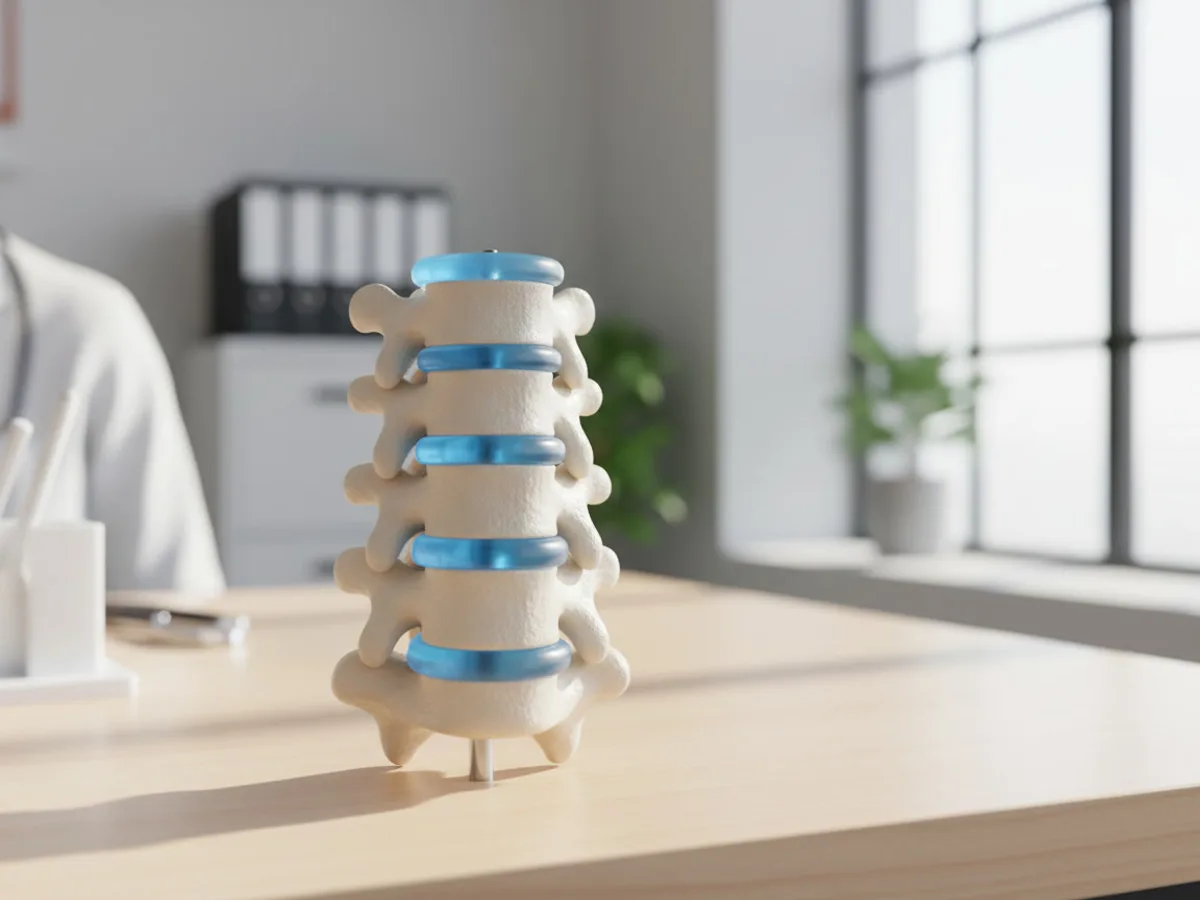
A bulging disc is one where the outer layer has weakened and the disc extends outward beyond its normal boundary but the inner material hasn’t broken through. A herniated disc goes a step further, with the inner material actually pushing through a tear in the outer layer, which more often causes direct nerve irritation and the radiating pain associated with sciatica. Dr. Chavez determines which is present, usually with imaging, since the distinction affects how aggressively the plan approaches decompression and what timeline is realistic for improvement.
Why This Shows Up So Often in Physical Labor Jobs
Repetitive forward bending combined with lifting, twisting under load, and prolonged vibration exposure from heavy equipment are all recognized contributors to disc degeneration over time. Lubbock’s mix of agricultural and oilfield-adjacent work means Dr. Chavez sees this pattern regularly in patients whose job has involved exactly this combination for years, sometimes decades, before the disc finally becomes symptomatic.
Building a Treatment Plan Around the Actual Structure
- X-rays to establish disc space narrowing and rule out other structural contributors
- Spinal decompression to reduce pressure on the affected disc and create space for it to settle back toward a more normal position
- Chiropractic care to restore mobility in the surrounding joints and reduce compensatory strain
- Massage therapy to address the muscle guarding that develops around a chronically irritated disc
Staying at Work While Treating It
Most patients with this kind of disc issue can’t simply stop working while they recover, which shapes how Dr. Chavez sequences the treatment plan. Modifying lifting technique and load during the active treatment phase matters as much as the hands-on care itself, since continuing to reload the disc the same way it was injured tends to slow progress considerably.
Adjusting Technique Without Stopping Work Entirely
Dr. Chavez spends real time reviewing how a patient’s specific job tasks are performed, since generic lifting advice often doesn’t map cleanly onto the actual equipment or loads involved in a given role. Small changes, like repositioning a load closer to the body before lifting or alternating which side handles a repetitive task, can meaningfully reduce ongoing strain on a disc that’s already compromised, buying the treatment plan more room to work.
If years of lifting have finally caught up with your low back and you’re dealing with pain that radiates or won’t fully settle, schedule a visit with Dr. Chavez at Back 2 Health Chiropractic in Lubbock.