A Seasonal Pattern Worth Naming
Mid-December brings a predictable stretch for a lot of patients: travel logistics, family gatherings, and end-of-year deadlines all stacking up at once. Dr. Brett Chavez sees this reflected directly in the clinic through an uptick in jaw pain and TMJ complaints. Stress doesn’t cause jaw pain in some abstract way; it causes it very mechanically, through clenching and grinding that most people don’t even notice they’re doing, especially overnight.
The Jaw and Neck Are More Connected Than People Realize
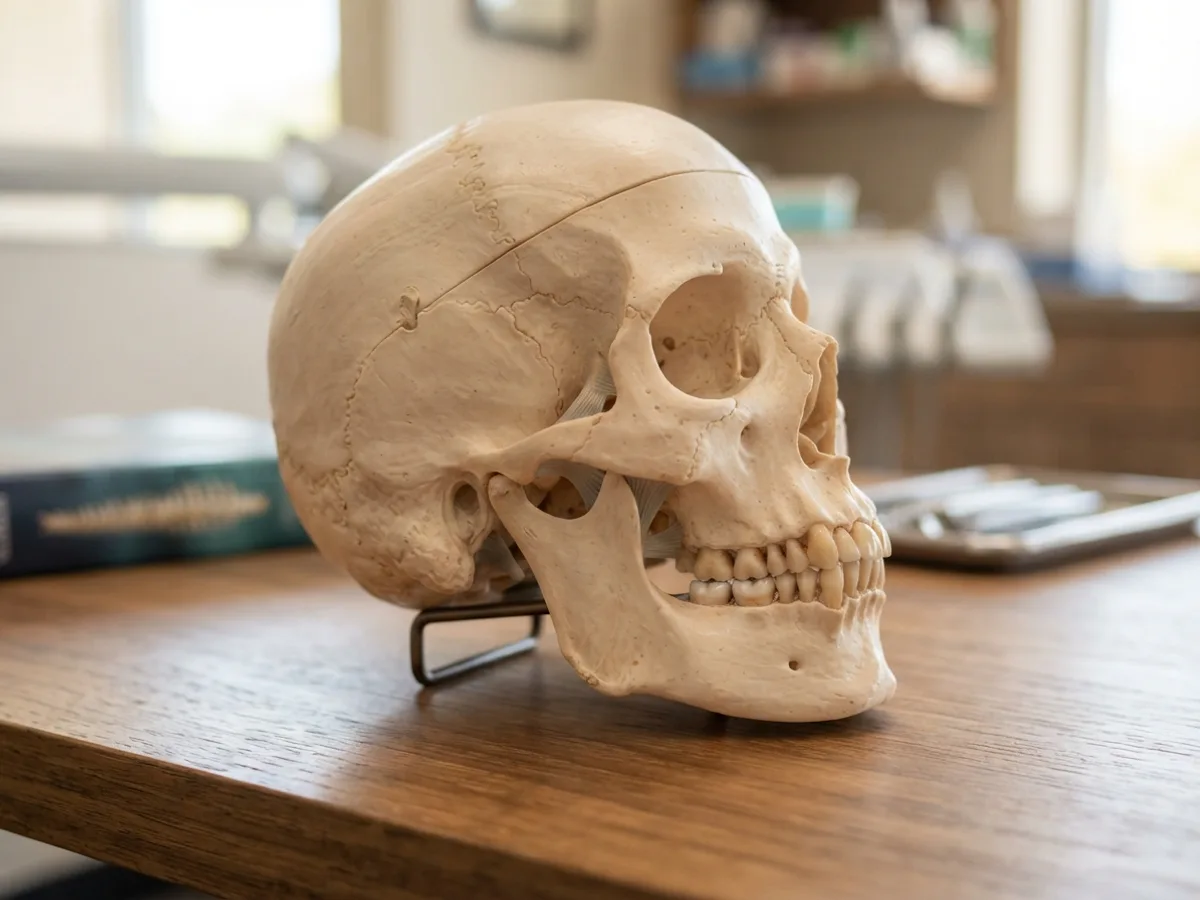
The temporomandibular joint, the hinge connecting the jaw to the skull just in front of the ear, doesn’t operate in isolation. It’s mechanically and neurologically linked to the upper cervical spine. Chronic clenching pulls on the muscles that also attach to the base of the skull and upper neck, which is why patients with TMJ issues frequently also report neck stiffness or headaches, and why addressing only the jaw itself often leaves part of the pattern untreated.
Dr. Chavez evaluates both areas together during an exam, checking jaw range of motion and any clicking or catching, alongside the mobility of the upper neck, since restrictions in one area commonly feed the other.
What Treatment Looks Like
Chiropractic adjustments to the upper cervical spine help address the neck component that’s frequently tangled up with jaw tension. For the muscular tension directly around the jaw and temples, Dr. Chavez may use targeted soft tissue techniques or massage therapy to release the muscles involved in clenching, which tend to hold tension the same way any other overworked muscle group does.
This isn’t a substitute for a dentist-fitted night guard if grinding is happening overnight, and Dr. Chavez will say so directly when that’s part of the picture. Chiropractic care addresses the mechanical and muscular side of the pattern; a night guard addresses the physical protection of the teeth during sleep. The two work well together rather than one replacing the other.
Managing Stress-Related Clenching Through the Season
- Notice jaw position during the day, since a relaxed jaw has teeth slightly apart, not clenched together
- Apply a warm compress to the jaw and temple area if tension builds during a stressful stretch
- Avoid excessive gum chewing or biting into very hard foods during a flare, since both add repetitive strain to an already irritated joint
- Build in short breaks during high-stress days, even five minutes, since sustained stress without any release tends to translate directly into more clenching
When to Get It Checked
Occasional jaw tightness during a stressful week is common. What’s worth having evaluated is jaw pain that’s persistent, clicking or popping that’s new or worsening, difficulty opening the mouth fully, or jaw pain accompanied by frequent headaches. Those patterns suggest the joint and surrounding muscles need direct attention rather than waiting for the stressful season to pass on its own.
If holiday stress has your jaw or neck feeling locked up, schedule a new patient visit at Back 2 Health Chiropractic in Lubbock, TX and let Dr. Chavez check both areas together.
References
- American Dental Association, “TMJ Disorders,” ada.org
- National Institute of Dental and Craniofacial Research, “TMJ Disorders,” nidcr.nih.gov