Managing Spinal Stenosis Isn’t Just an In-Office Problem
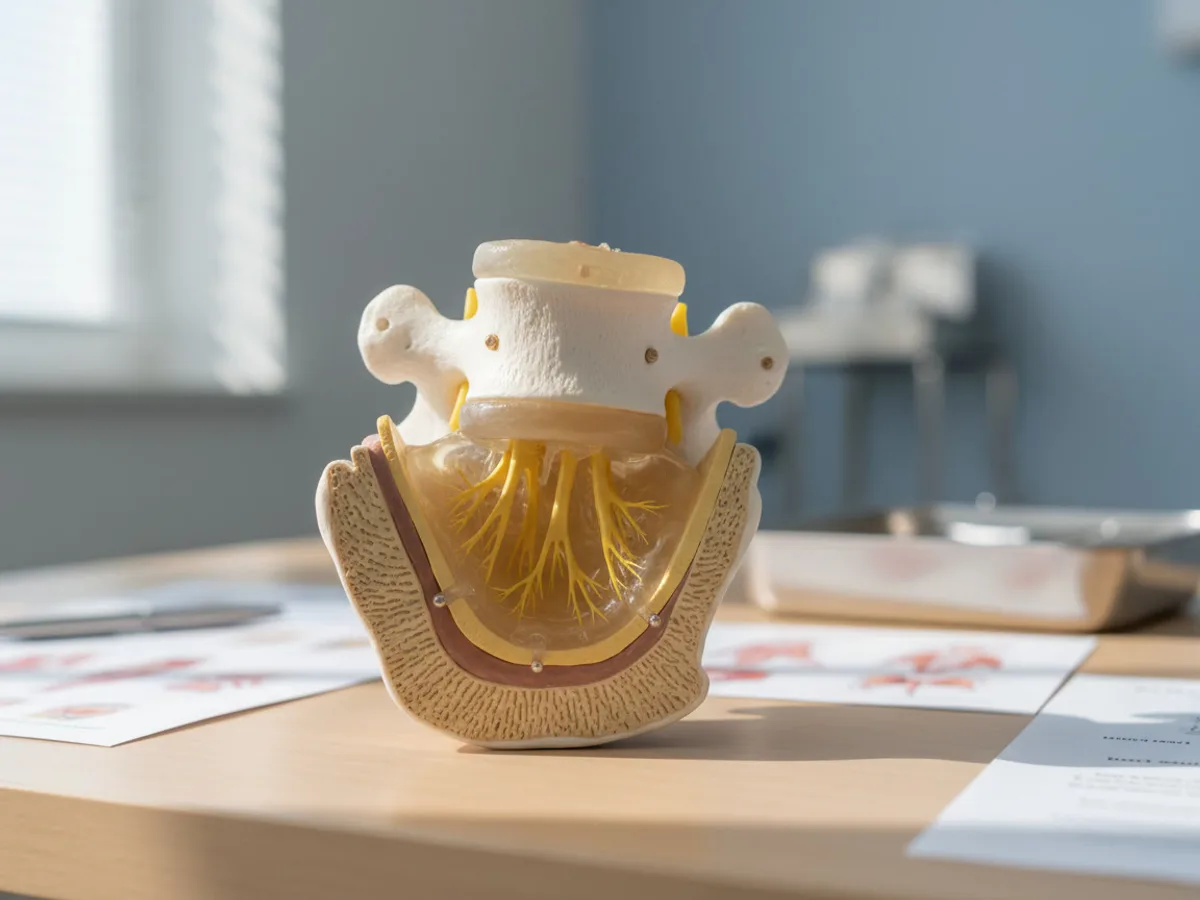
Spinal stenosis, the narrowing of the spaces within the spine that puts pressure on the nerves, is a condition Dr. Brett Chavez, D.C. sees mostly in patients who are active well into their sixties and seventies and don’t want that to change. The care plan at Back 2 Health Chiropractic addresses the mechanical restriction directly, but what a patient does between visits has a real effect on how well that care holds.
Most people with spinal stenosis notice a familiar pattern: standing and walking for extended periods brings on aching or numbness down the legs, while bending forward, like leaning on a shopping cart, tends to bring relief. That pattern exists because forward flexion opens up the spinal canal slightly, giving the compressed nerves a bit more room. Understanding that mechanism is the key to a lot of the daily habits that help.
Positioning That Reduces Pressure
- Sitting posture matters. A slight forward lean with support under the low back tends to feel better than sitting bolt upright, which can close down the same spaces that walking aggravates.
- Sleep position. Side-lying with a pillow between the knees, or back-lying with the knees elevated on a pillow, keeps the lower spine in a slightly flexed position overnight rather than extended.
- Standing breaks. For patients whose day involves a lot of standing, alternating a foot on a low stool or stepping stool periodically shifts the pelvis into a position that opens the canal slightly.
Movement, Not Rest, Is Usually the Better Default
It’s tempting to assume rest is the safest choice with a nerve-related condition, but for most stenosis patients, staying moderately active is more protective than sitting still. Walking on a slight incline, using a stationary bike with a forward lean, or water walking tend to be well tolerated because they keep the spine in a position that doesn’t aggravate the narrowing, while flat-ground walking for long stretches often does.
Dr. Chavez typically recommends patients experiment with short, frequent walks rather than one long walk, since the aggravation with stenosis tends to build with duration rather than being present from the first step.
Core Support Without Aggravating the Area
A stronger, more engaged core takes some of the mechanical load off the lower spine itself. The exercises that tend to work well for stenosis patients are the ones done in a flexed or neutral position, pelvic tilts, seated marches, and modified bridges, rather than extension-based exercises like superman holds, which tend to close down the same spaces already under pressure.
Why the Chiropractic Piece Still Matters
None of these habits replace hands-on care. Chiropractic care and, for many stenosis patients, spinal decompression work to create more space and reduce the mechanical pressure directly, which is something home habits alone can’t accomplish. What the daily habits above do is protect the progress made during a visit so the improvement holds longer between appointments instead of being undone by a long stretch on your feet at the grocery store.
Stenosis tends to progress slowly, which means the earlier the mechanical pressure is addressed, the more options a patient has for staying active without surgery being the only path forward. If leg pain or numbness is limiting how far you can walk before needing to stop and lean forward, schedule a visit with Dr. Chavez at Back 2 Health Chiropractic in Lubbock.