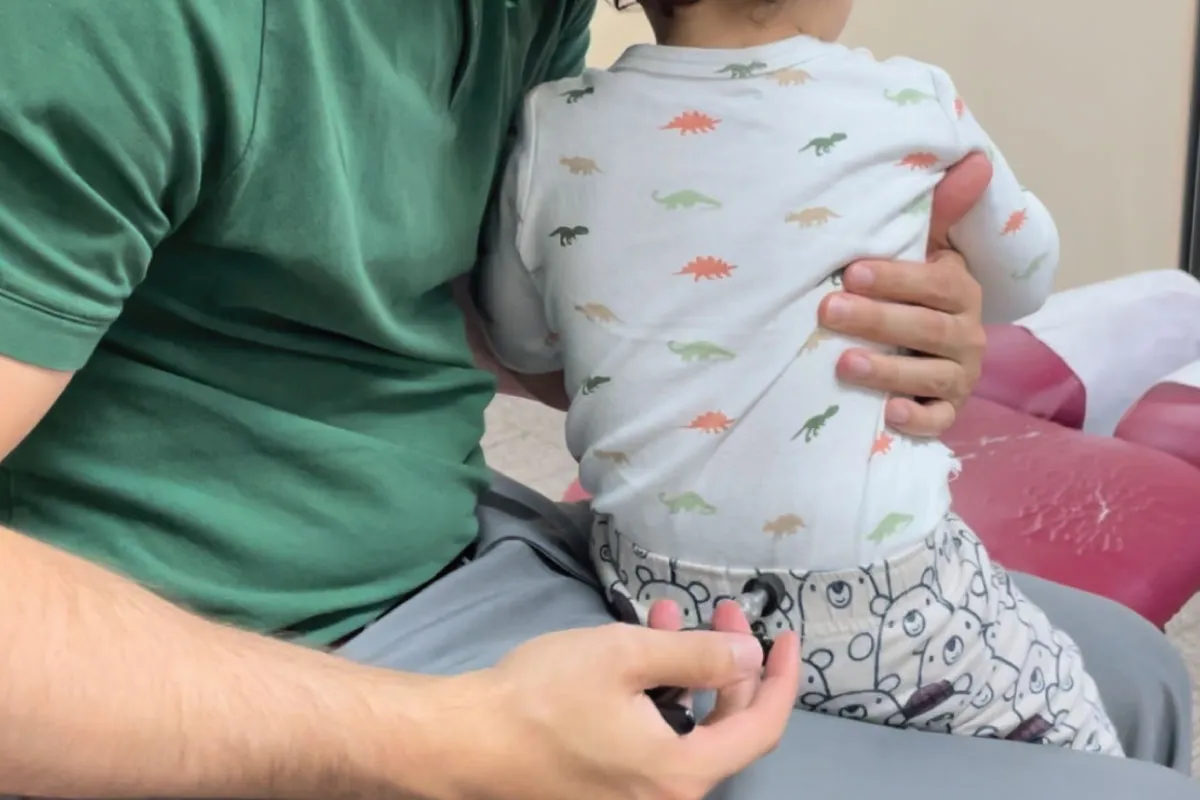
A Different Kind of Chiropractic Visit
Pediatric chiropractic care doesn’t look like an adult adjustment scaled down. Dr. Brett Chavez, D.C. uses gentle, low-force techniques appropriate for a growing musculoskeletal system, and a lot of the visit involves simply watching how a child moves, since kids often can’t articulate exactly what feels off the way an adult can.
As Lubbock’s youth leagues gear up for a full summer of baseball, softball, swim, and select-team travel sports, Dr. Chavez sees an uptick in young patients dealing with the physical demands of increased practice and game volume layered on top of a body that’s still developing.
Growing Bodies Under New Demands
Kids and teenagers are dealing with a moving target: their skeleton is still developing while their sport is asking more of it every season. A repetitive throwing motion, sudden jumps in practice intensity, or a growth spurt that outpaces flexibility can all create mechanical strain that shows up as knee pain, low back discomfort, or a nagging ache that a young athlete might not think to mention until it’s affecting performance.
Common Reasons Parents Bring Kids In This Time of Year
- A noticeable limp or favoring of one side after practice
- Complaints of knee or heel pain tied to a recent growth spurt
- Low back tightness in kids doing repetitive twisting sports like softball or golf
- General posture concerns from a season of hunching over a phone or laptop during the school year, now compounded by sport-specific demands
Why Alignment Matters for Young Athletes
A restriction anywhere in a young athlete’s spine or pelvis changes how force transmits through the body during a throw, a swing, or a sprint, the same way it does in an adult, except a developing body has less established compensation patterns to fall back on. Addressing restrictions early, before the season’s repetitive demands reinforce a compensating pattern, tends to be far more straightforward than trying to correct it mid-season once it’s become habitual.
What a Pediatric Visit Involves
Dr. Chavez assesses posture, spinal mobility, and how the child moves through basic patterns like squatting or reaching overhead. Adjustments, when appropriate, use significantly less force than an adult adjustment and are tailored to the child’s size and development. For young athletes already dealing with a specific sport-related issue, this can pair with sports rehabilitation exercises scaled appropriately for their age.
Setting Kids Up for a Full Season
The goal isn’t to treat pediatric patients like small adults. It’s recognizing that a growing body has its own set of demands and vulnerabilities, and addressing mechanical issues early supports a kid’s ability to get through a full sports season without a nagging ache turning into a bigger problem.
What to Expect at a Pediatric Visit
Parents attending a first pediatric visit sometimes expect something close to an adult adjustment scaled down, and it’s usually a relief to see how different it actually looks. Dr. Chavez spends time getting a young patient comfortable before any hands-on work begins, explaining what he’s checking for in terms the child can understand, and involving the parent throughout so nothing feels unfamiliar or rushed. Most kids leave more curious than apprehensive about the visit.
If your child has been dealing with an ache that shows up after practice, or you simply want a baseline check before summer sports ramp up, schedule a visit with Dr. Chavez at Back 2 Health Chiropractic in Lubbock.