A Diagnosis That Often Comes With Fear
When a patient is told they have spinal stenosis, Dr. Brett Chavez often sees the same reaction: a fear of movement. It makes sense, since the condition involves narrowing of the spaces within the spine that can put pressure on the spinal cord or nerve roots, and moving the wrong way can genuinely aggravate symptoms. But the instinct to stop moving altogether tends to backfire, since deconditioning from inactivity often makes the condition harder to manage, not easier.
Understanding What’s Actually Happening
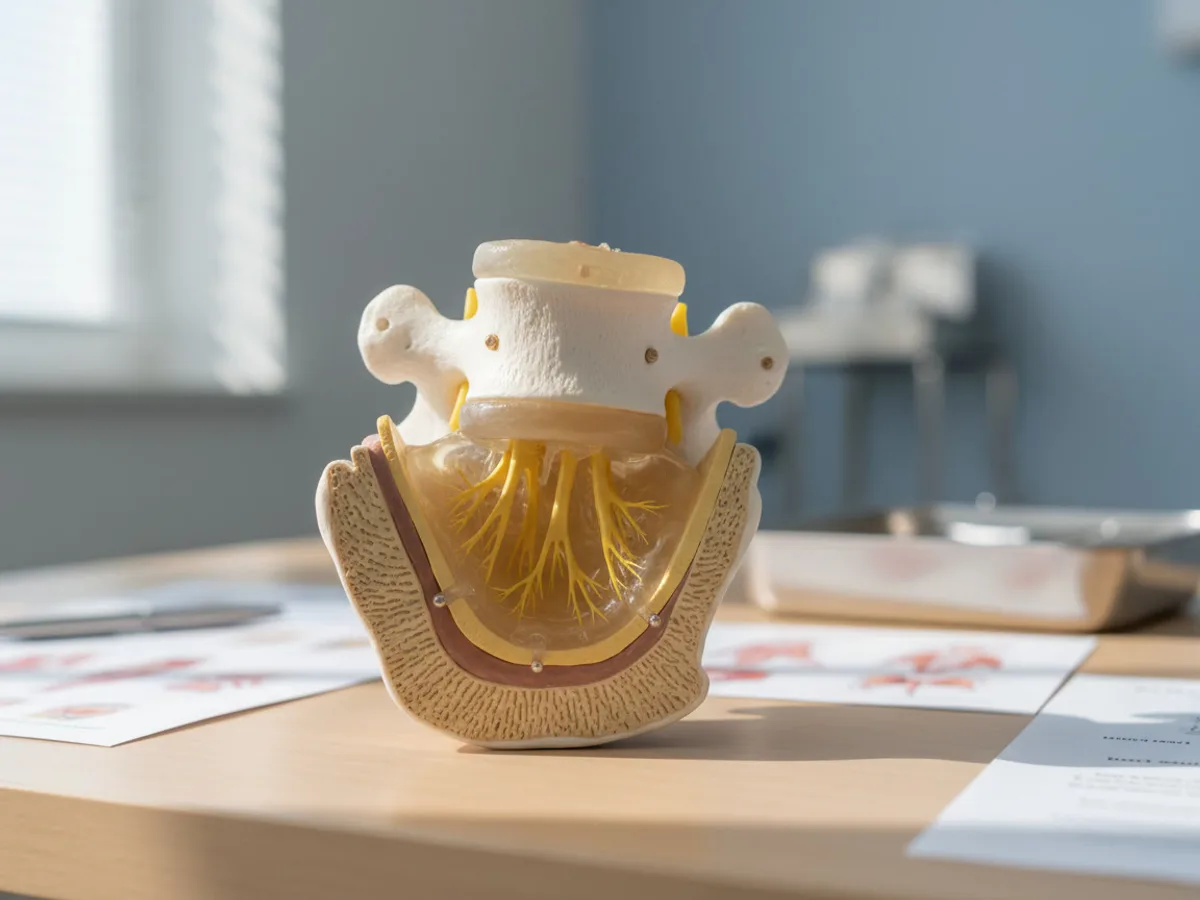
Stenosis most commonly develops gradually, from age-related changes like thickened ligaments, bone spurs, or disc degeneration that narrow the spinal canal or the openings where nerve roots exit. It typically affects the low back or neck, and the classic pattern for lumbar stenosis is pain or heaviness in the legs that worsens with standing or walking upright and improves with sitting or leaning forward, since that position opens up the narrowed space slightly.
That specific pattern, worse standing, better bent forward, is actually useful diagnostic information, and Dr. Chavez asks about it directly during an exam, along with checking overall spinal mobility and neurological function in the legs.
Why the Right Kind of Activity Matters
Complete inactivity leads to weaker core and postural muscles, which then provide less support to an already compromised spine, creating a cycle where the patient moves less, gets weaker, and becomes more symptomatic with even less activity. The goal isn’t avoiding movement; it’s finding the kinds of movement that don’t aggravate the narrowed space while building the strength and mobility that support the spine overall.
How Chiropractic Care Fits In
Dr. Chavez uses gentle chiropractic techniques adapted specifically for stenosis, focused on improving mobility in the segments above and below the narrowed level, which are often compensating and becoming restricted themselves. This isn’t about forcing motion into the stenotic segment itself, but about keeping the rest of the spine moving well so it isn’t adding to the problem. For patients managing significant muscle tension from years of altered posture and guarded movement, massage therapy or professional stretching often supports the overall plan.
Movement Strategies That Tend to Work Well
- Walking with a slight forward lean, or using a cart or walker for support, which many patients find opens up the narrowed space enough to walk further comfortably
- Stationary cycling, which keeps the spine in a slightly flexed position that’s often better tolerated than upright walking
- Core strengthening exercises appropriate to the individual’s ability, since a stronger core reduces load on the spine itself
- Avoiding prolonged standing without a break, and alternating positions throughout the day rather than staying upright and still for long stretches
When to Get Evaluated
Any new or worsening leg pain with standing or walking, especially in a pattern that improves with sitting or leaning forward, is worth having evaluated. Progressive weakness or changes in bladder or bowel function are signs that require prompt medical attention rather than conservative care alone.
If spinal stenosis has you avoiding activity out of fear of making it worse, schedule a new patient visit at Back 2 Health Chiropractic in Lubbock, TX and let Dr. Chavez help you find a way to stay active safely.
References
- National Institute of Neurological Disorders and Stroke, “Spinal Stenosis Information,” ninds.nih.gov
- American Academy of Orthopaedic Surgeons, “Lumbar Spinal Stenosis,” orthoinfo.aaos.org