Why Sciatica Deserves a Careful First Visit
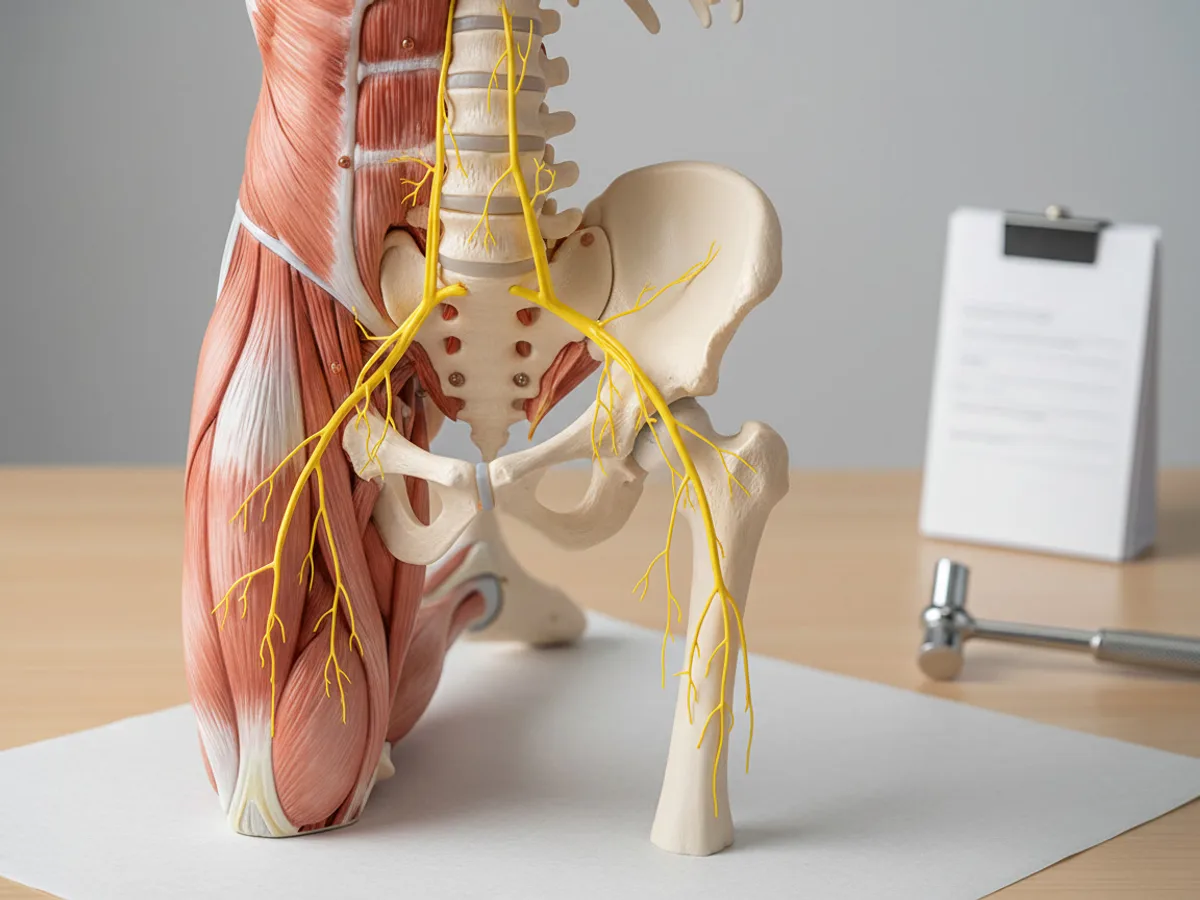
Sciatica has a specific description, but patients use the word loosely for almost any pain that runs from the low back into the leg. That’s exactly why Dr. Brett Chavez treats the first visit as a genuine diagnostic step rather than jumping straight into treatment. True sciatica comes from irritation of the sciatic nerve, usually from a disc pressing on a nerve root or from a tight piriformis muscle compressing the nerve as it exits the pelvis. Those two causes get treated differently, and getting the source wrong wastes a patient’s time.
What Happens Before Any Treatment
A first visit starts with a detailed history: when the pain started, what it feels like, whether it’s constant or comes and goes with certain positions, and whether there’s any numbness, tingling, or weakness in the leg or foot. That last detail matters, since progressive weakness changes the urgency of the case.
From there, Dr. Chavez performs a physical exam that includes orthopedic and neurological tests designed to reproduce or rule out true nerve involvement, checks reflexes, and evaluates range of motion in the low back and hips. If imaging is needed to see the joint structure or disc spacing, Back 2 Health Chiropractic has X-ray available in the office, so patients aren’t sent elsewhere and left waiting on results before care can start.
Building the Treatment Plan
Once the exam identifies where the irritation is coming from, whether that’s a disc issue like a herniated or bulging disc or a muscular cause, Dr. Chavez explains what he found in plain terms and lays out a plan. For disc-related sciatica, care often includes spinal decompression alongside adjustments, since decompression is specifically designed to reduce pressure on the disc and the nerve root it may be irritating.
For cases where the piriformis muscle is the culprit, treatment leans more heavily on soft tissue work and targeted stretching, sometimes combined with dry needling to release the muscle directly. This is why the exam matters so much: the same complaint of “pain shooting down my leg” gets two very different treatment approaches depending on the actual cause.
What to Bring and What to Expect
Patients coming in for a first sciatica visit should wear comfortable clothing that allows for movement testing, and bring any prior imaging if it exists, even if it’s a few years old. It’s helpful context even when new imaging is taken.
Most patients feel some relief within the first several visits as inflammation around the nerve begins to settle and joint mobility improves, though the exact timeline depends on how long the irritation has been present and its underlying cause. Dr. Chavez is upfront about that timeline rather than promising a fixed number of visits before an exam has happened.
Habits Worth Building Between Visits
- Avoid sitting for long uninterrupted stretches, since compressed hip and low back positions tend to aggravate sciatic irritation
- Use a supportive chair rather than a soft couch for extended sitting
- Walk in short intervals through the day instead of long stationary stretches
- Skip any stretch or exercise that reproduces the shooting pain until it’s been cleared with Dr. Chavez
When to Come In
Pain running down the back of the leg, especially past the knee, numbness in the foot, or any weakness when trying to lift the toes or push off while walking are all reasons to get evaluated rather than wait it out. The earlier true sciatica gets an accurate diagnosis, the more options there typically are for resolving it without it becoming a longer-standing pattern.
If leg pain that started in your low back has you limiting how you move, schedule a new patient visit at Back 2 Health Chiropractic in Lubbock, TX.
References
- National Institute of Neurological Disorders and Stroke, “Sciatica Information,” ninds.nih.gov
- American Academy of Orthopaedic Surgeons, “Sciatica,” orthoinfo.aaos.org